

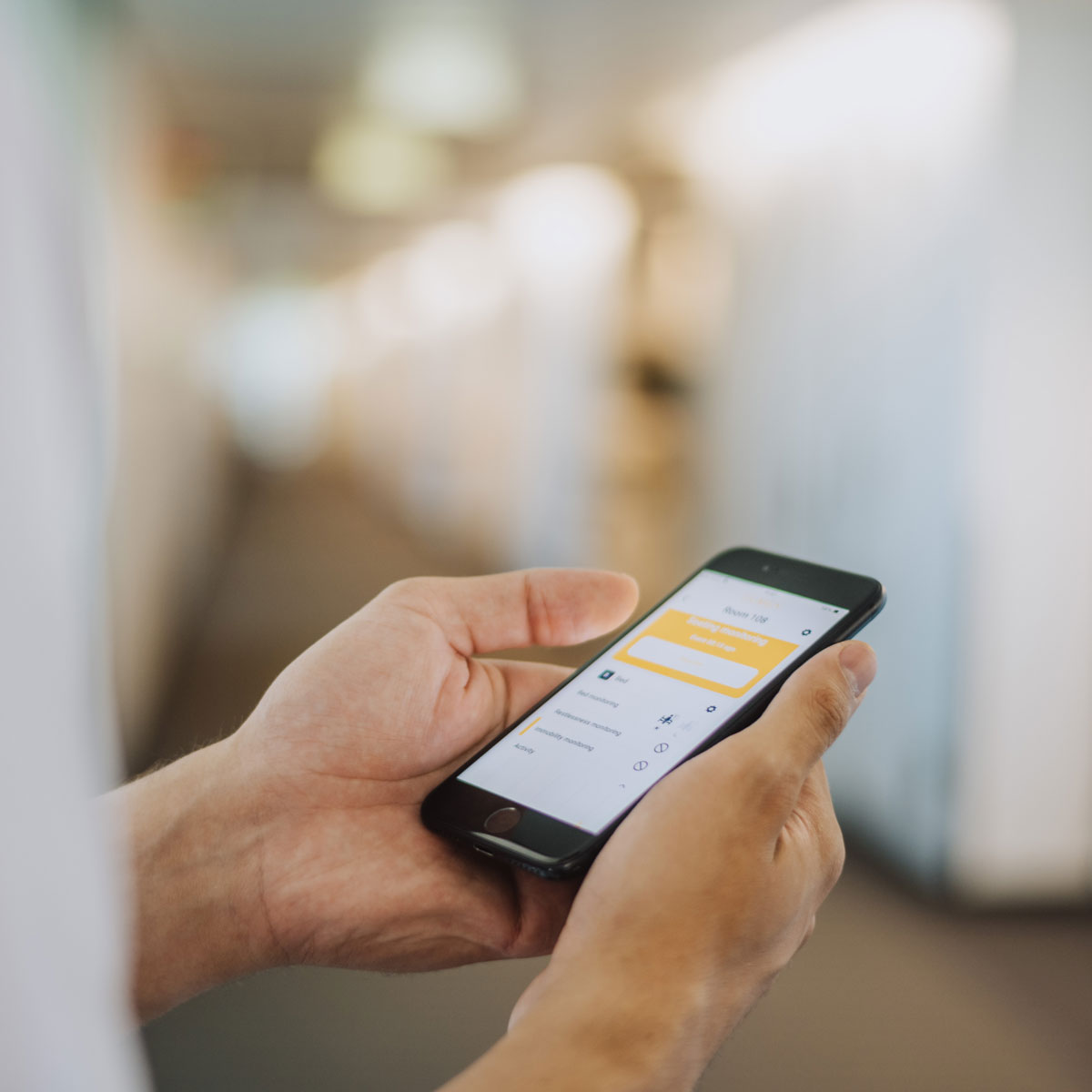

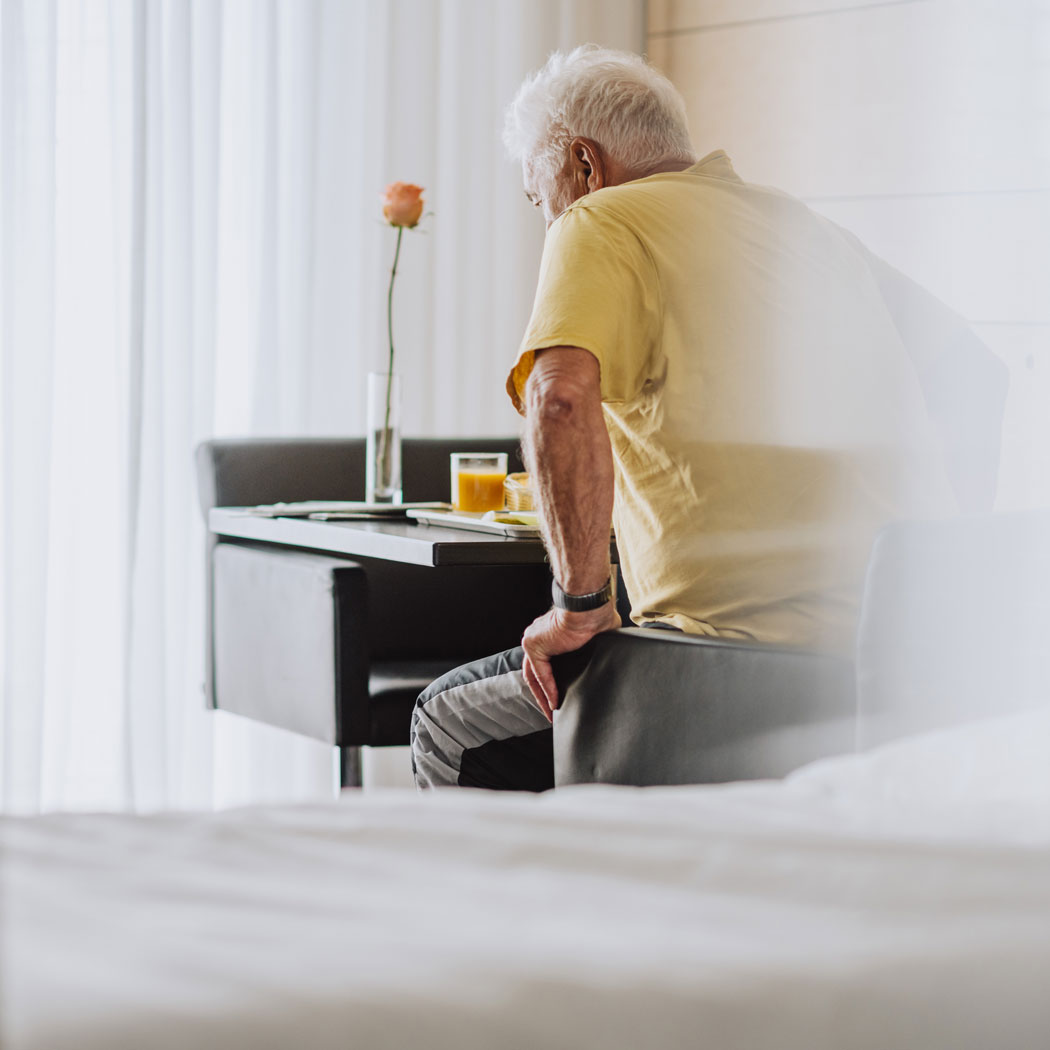
Recognises bed-exit tendencies in several stages and provides information depending on the individual monitoring scenario
Care givers can intervene immediately and thus ensure the fastest possible fall rescue.
Monitors patient activity to assess sleep quality or validate therapeutic measures, supports delirium therapy and detects sudden restlessness and agitation.
Automatically detects lying positions and mobilisation in order to identify and minimise the risk of pressure sores at an early stage.
Alerts according to patient-specific monitoring scenario as soon as patients get up from chairs, wheelchairs, etc.
Recognises when there is no return to bed at night, for example after a visit to the toilet.
Detects when entering or leaving defined areas, e.g. toilet or patient room.
Monitors room and bed presence individually and in real time, even in shared rooms.





Recognising indicators for leaving the bed, wheelchair or similar at an early stage provides a decisive time advantage and leads to a significant reduction in falls.
Targeted and early alerting reduces the nursing effort in the patient’s room compared to other prevention systems, such as bell mats.
Compared to previously used prevention measures, QUMEA has achieved cost savings of between 49 and 76%.
After an initial system evaluation, the vast majority of users are clearly in favour of QUMEA.

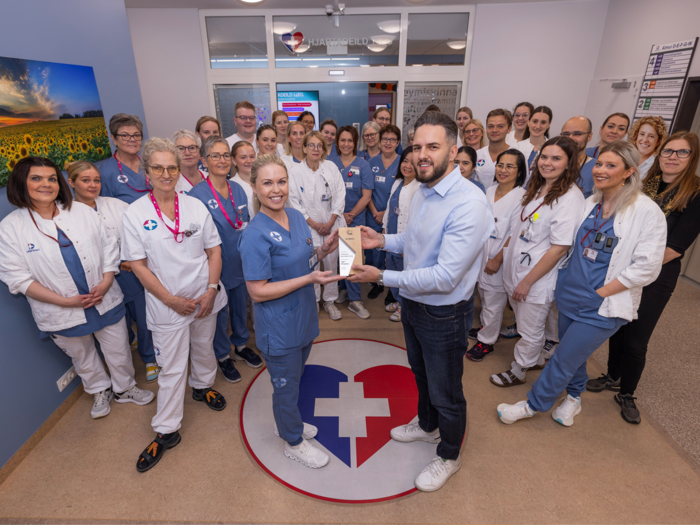
From Switzerland to Iceland: QUMEA Welcomes its 100th Hospital
Landspítali, Iceland’s national university hospital, has become the 100th hospital to implement QUMEA’s radar-based digital mobility monitoring system.
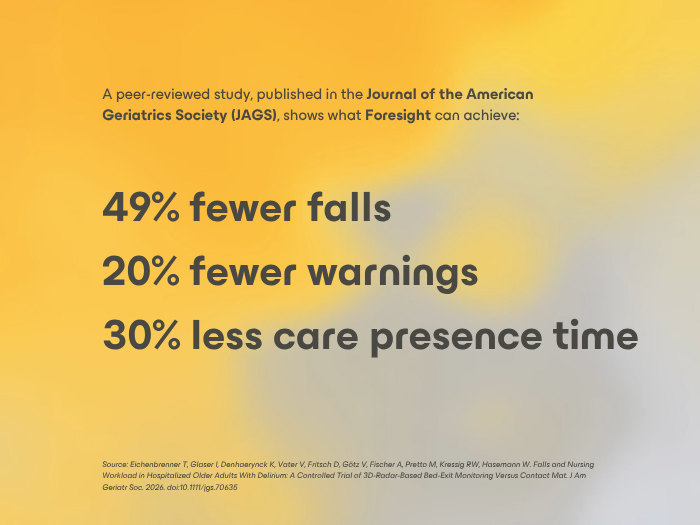
Fewer falls and lighter nursing workload with QUMEA, new study finds
A peer-reviewed study, published in the Journal of the American Geriatrics Society (JAGS), shows: fewer falls and a lighter nursing workload with QUMEA in delirium care. The prospective, controlled study, conducted at the University Center for Geriatric Medicine Felix Platter in Basel, put foresight to the test in one of Europe's most demanding clinical settings for delirium care. The result: QUMEA's contactless, radar-based monitoring was associated with substantially fewer falls and a lighter nursing workload related to bed-exits than a conventional contact mat.
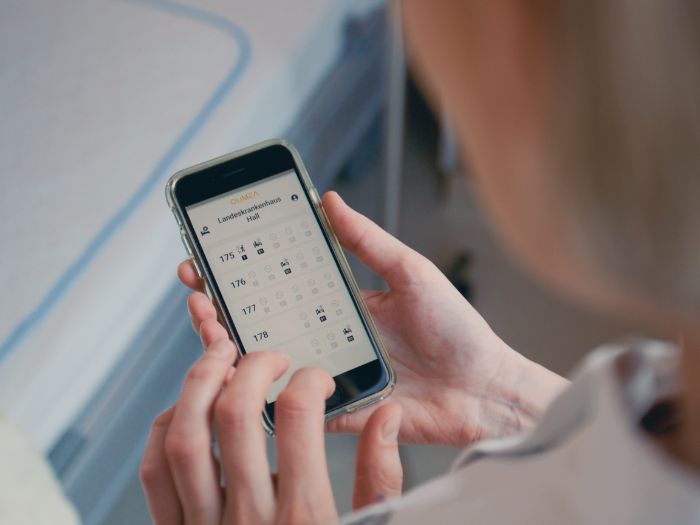
Together with the Landeskrankenhaus Hall | Tirol Kliniken GmbH: An authentic glimpse into everyday nursing care
An authentic glimpse into clinical daily life shows how QUMEA supports nursing professionals. The anonymous, contactless technology creates more safety without unnecessarily interrupting daily care routines, while consistently protecting data privacy and confidentiality.