
AI Pilot Reduces Hospital Falls in Region Västra Götaland, Sweden
Hospitals in the Västra Götaland region are taking a bold step into the future. A new pilot project using AI technology has shown promising results in reducing patient falls. This is shown in a white paper from AI Sweden, the Swedish national centre for applied artificial intelligence.
How it works
The AI monitors patient activity and predicts when a fall is likely to occur. Alerts are sent to hospital staff, allowing them to act quickly and prevent accidents. This proactive approach is already making a difference. During the pilot, fall incidents were cut by an incredible 67%.
Big Savings, bigger impact
The initial cost of the pilot was 1.6 million SEK, but the savings are projected to reach 140 million SEK annually. Fewer falls mean fewer injuries, less strain on hospital resources, and faster recovery times for patients.
More than fall prevention
The system isn’t just about preventing falls. Its sensors can be adapted for other uses, like monitoring immobility to prevent bedsores. This makes the technology versatile and valuable for improving patient care across different hospital settings.
The future of healthcare
This pilot shows how AI can improve safety, save money, and enhance healthcare quality. As more hospitals explore similar innovations, patients can expect smarter, safer care.
From Switzerland to Iceland: QUMEA Welcomes its 100th Hospital
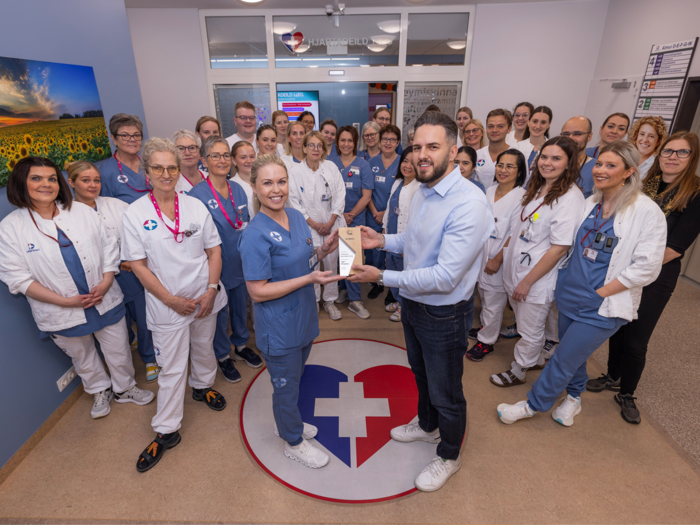
Landspítali, Iceland’s national university hospital, has become the 100th hospital to implement QUMEA’s radar-based digital mobility monitoring system.
Fewer falls and lighter nursing workload with QUMEA, new study finds
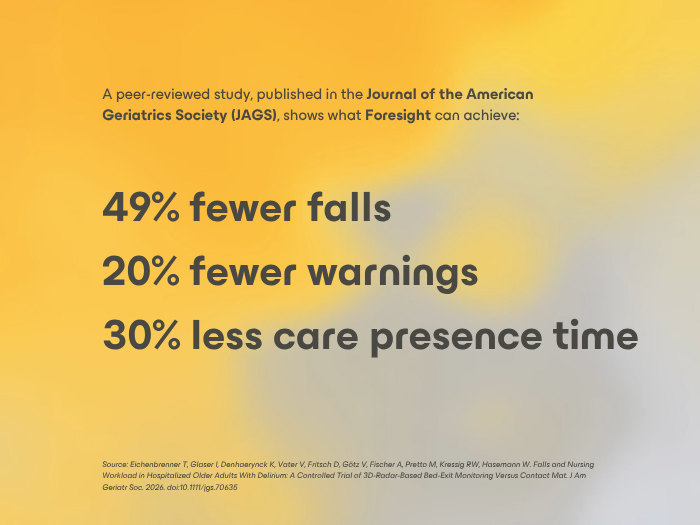
A peer-reviewed study, published in the Journal of the American Geriatrics Society (JAGS), shows: fewer falls and a lighter nursing workload with QUMEA in delirium care. The prospective, controlled study, conducted at the University Center for Geriatric Medicine Felix Platter in Basel, put foresight to the test in one of Europe's most demanding clinical settings for delirium care. The result: QUMEA's contactless, radar-based monitoring was associated with substantially fewer falls and a lighter nursing workload related to bed-exits than a conventional contact mat.
Together with the Landeskrankenhaus Hall | Tirol Kliniken GmbH: An authentic glimpse into everyday nursing care
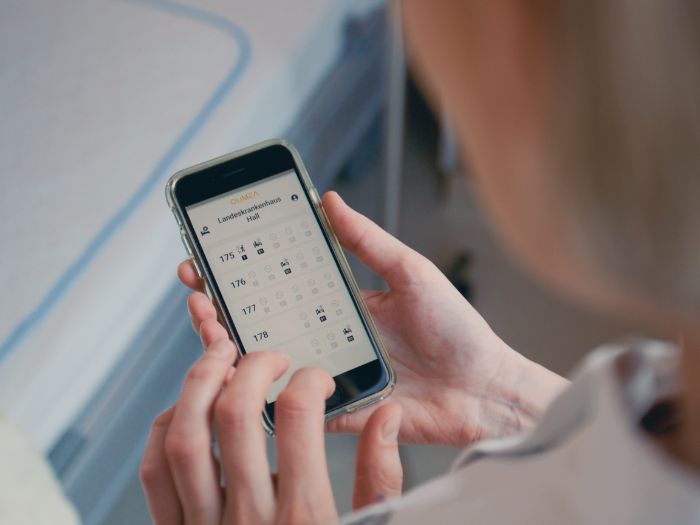
An authentic glimpse into clinical daily life shows how QUMEA supports nursing professionals. The anonymous, contactless technology creates more safety without unnecessarily interrupting daily care routines, while consistently protecting data privacy and confidentiality.